
Travel Tuesday Storytelling: Rozgonyi as a Hungarian Immigrant Heritage Story

Last week, Hungary made history with its parliamentary election. Voter turnout hit a record-breaking 74.23%, signaling the dawn of a new era. As a second-generation American with deep roots in Hungarian soil, I found that news hit closer to home than I expected; my heritage is an indelible part of the stories I carry every day.
From Chicago Avenue to Telkibánya
As a little girl, I used to surprise people by spelling two words perfectly: Chicago and Rozgonyi. Not “cat” or “dog.” I lived on Chicago Avenue, which sparked an early fascination with a city that felt like a far-off destination but was really my home base. Every Sunday, our family would visit Hungarian relatives to enjoy Magyar delicacies—little tastes of a culture that stretches back centuries and now feels just a plane ride away.
My grandmother arrived at Ellis Island on Christmas Eve, following her husband who had already come to America to build a future. She left behind her dream of becoming a baron’s pastry chef in Telkibánya, Hungary, to chase the American Dream in Illinois. She brought very little with her—except that proud name and the resilience it represents.
The Hotel Upgrade that Made Me Wonder…
When my husband and I visited Budapest a few years ago, we checked into our hotel and were unexpectedly upgraded to a beautiful townhouse suite. I smiled to myself and wondered: Could the name Rozgonyi have had anything to do with that warm welcome? I’ll never know for sure, but I treasure those moments when honoring ancient roots creates modern magic.
A Fierce Ancestor: Cecília Rozgonyi (c. 1398–1439)
The Rozgonyi name carries significant weight in Hungarian history. One of the most remarkable stories belongs to Cecília Rozgonyi, a late medieval noblewoman known for her bravery against the Ottoman Empire.
Cecília wasn’t content to watch from the sidelines. She commanded a ship on the Danube during the 1428 siege of Golubac Fortress. She engaged enemy vessels, sank several, and even shelled the fortress from the water. When the Hungarian army was retreating and King Sigismund was nearly trapped, accounts credit Cecília’s quick intervention with rescuing him.
King Sigismund later rewarded her courage with a grant of land in 1434. A 15th-century female commander fighting on the Danube? That’s the kind of “Strong Woman Energy” I’ve integrated into my own professional framework.

Heritage as Your PR Secret Weapon: The AURAS Storytelling Framework
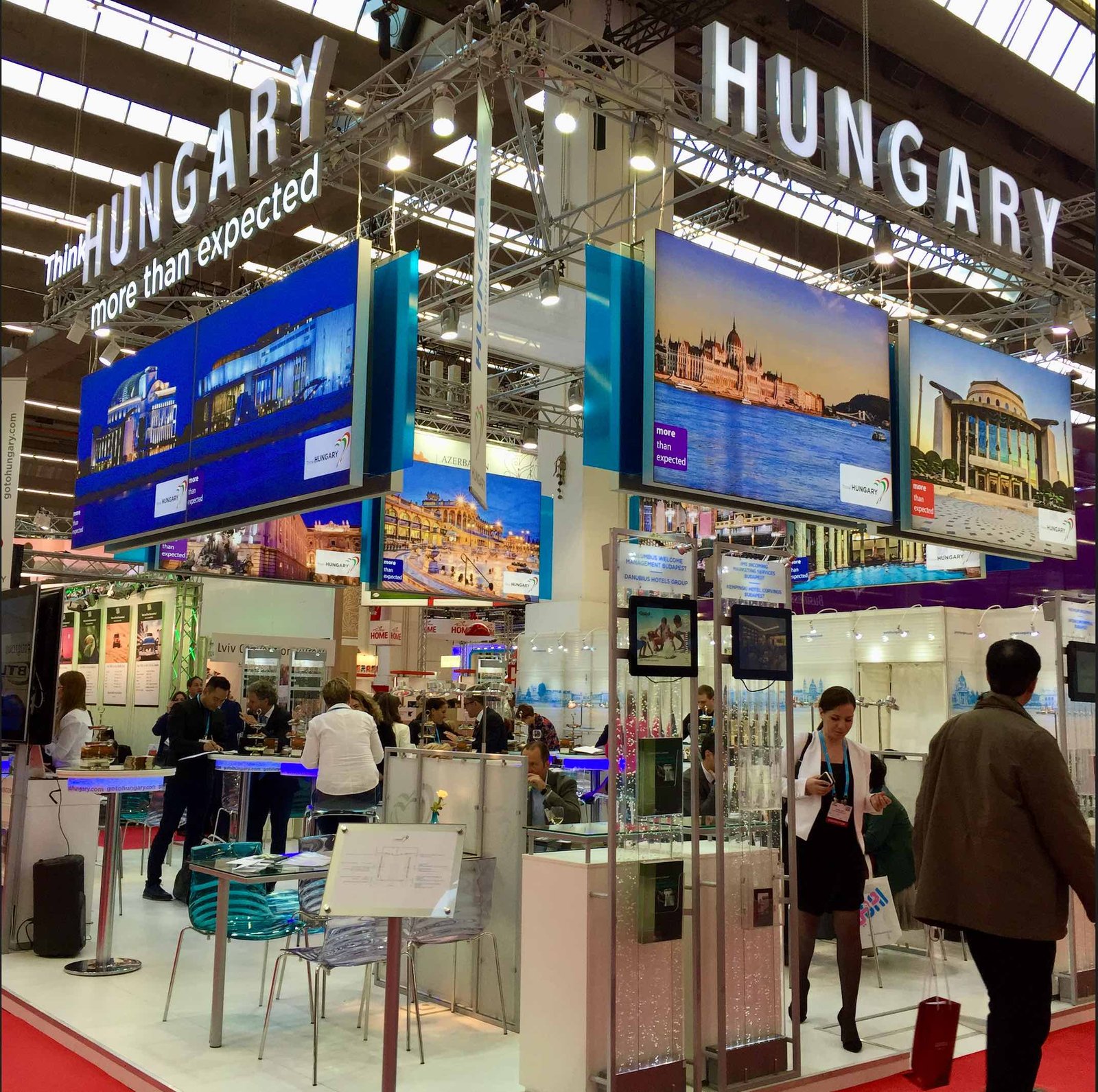
While speaking at IMEX Frankfurt, Hungary’s exhibit theme was “More Than Expected.” When the Visit Hungary team saw my nametag, the connection was instant. Standing there as a keynote speaker with Hungarian blood, I realized: Your name arrives in the room before you do.
In PR and personal branding, your “heritage story” isn’t just trivia—it’s your authority signal. I use my AURAS Framework to help leaders capture this:
Aperture: Opening the lens to see how your heritage influences your professional “why.”
Underexposure: Shining light on the powerful, lesser-known stories (like Cecília’s) that make you unique.
Resolution: Clarifying how a strong name and legacy create instant market recognition.
Angle: Finding your unique perspective at the intersection of your past and your industry’s future.
Shutter: Framing the moment so your story lands with maximum clarity and impact.
What’s Your Heritage Story?
Your family history might not involve commanding ships on the Danube, but it holds the keys to your PR presence. It makes you memorable, relatable, and most importantly, real.
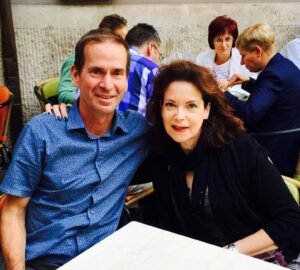
Here’s a pic of Bruce and me at a cafe in Budapest. We’re going to visit Telkibánya on our next trip.
I’d love to hear from you: Has your last name or family history ever opened a door or sparked a meaningful conversation? Drop a comment below or reply—let’s discuss the power of your “origin story.”
For more origin storytelling, PR, and personal branding insights, visit wiredPRworks.com


One Comment