What John Keats Teaches About Presence, Legacy, and Creating | Travel Tuesday Hampstead
 Some journeys begin the moment the plane lands. Others begin the moment you walk through the right door.
On our very first morning in London, zero sleep, full jet lag, running entirely on wonder, we made a beeline for Keats House in Hampstead. It was the first week of March, spring was bursting into bloom, and something about arriving in a new place with tired eyes and open senses made standing in a 200-year-old poet’s home feel exactly right.
What I didn’t expect was to leave with a deep encounter in presence, legacy, and what it really means to create when the conditions are far from perfect.
Why Keats House?
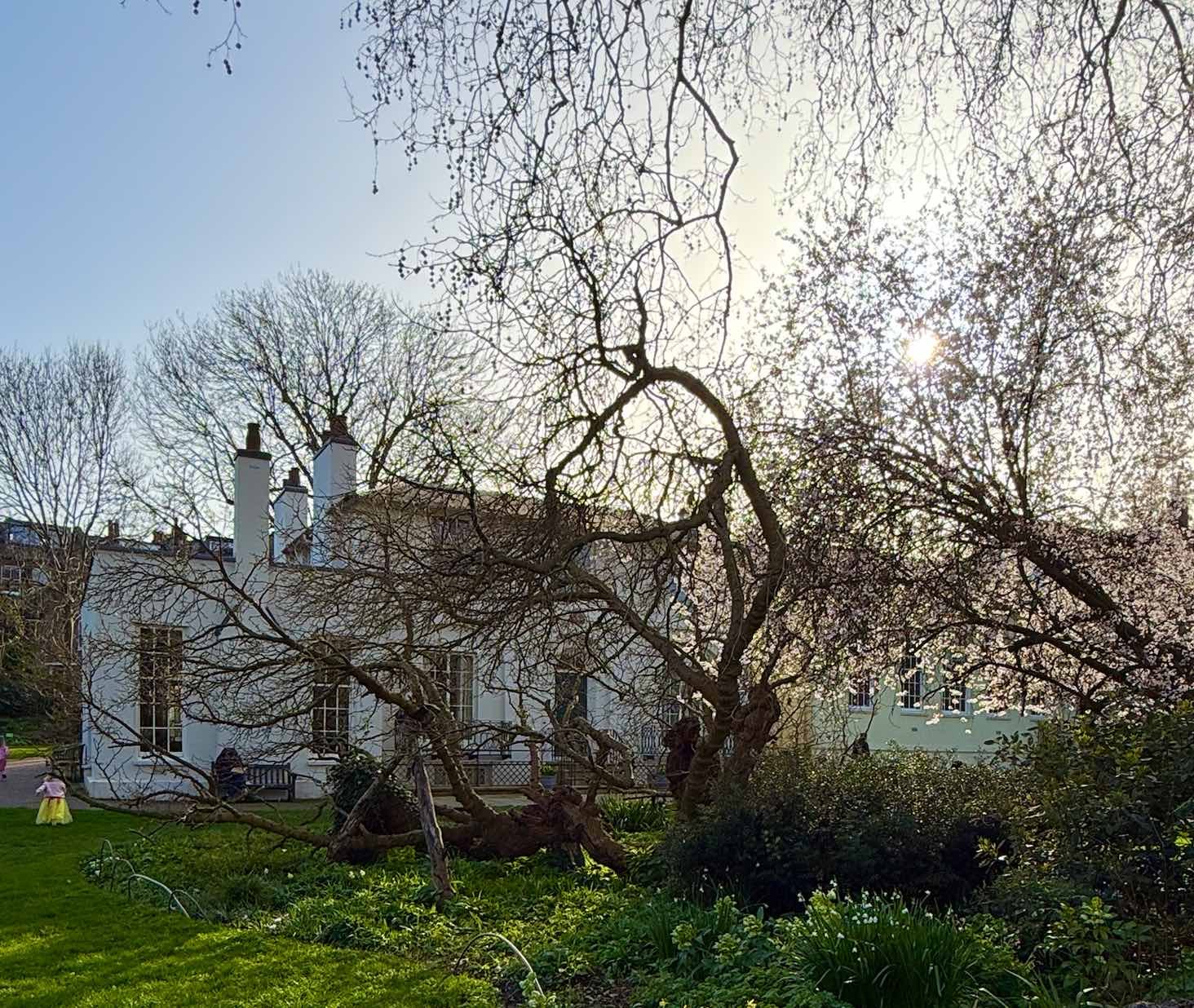
John Keats lived at Wentworth Place in Hampstead for only about 18 months — from December 1818 to September 1820, with stretches of travel and illness woven in. And yet this modest, beautiful Regency villa is where he wrote “Ode to a Nightingale” (reportedly inspired while sitting in the garden), “Ode on a Grecian Urn,” “To Autumn,” and large portions of Hyperion.
It is one of the most productive short seasons in literary history — and one of the most romantic. In this place, Keats fell in love with his ‘bright star’ Fanny Brawne, composed the mysterious ‘La Belle Dame sans Merci,’ and welcomed poet-friends Leigh Hunt and John Hamilton Reynolds, making the house not just a home but a living creative community.
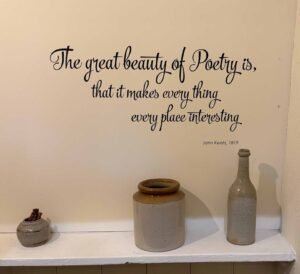
He died in Rome in 1821 at just 25 years old. His grave carries the famous epitaph: “Here lies one whose name was writ in water.” There is a memorial to him in Poets’ Corner at Westminster Abbey, but his greatest work lives in the pages he left behind — and in the house where he wrote them.
The house itself is intimate and immersive. Standing in the rooms where he worked, looked out at the garden, and wrote letters by candlelight, you feel the weight of what focused attention can produce in a short time.
The Desk, the Letters, the Light
Inside the house, Keats’ writing desk sits under glass cases displaying manuscript pages, personal letters, and artifacts from his daily life. Framed facsimiles of “Ode to a Nightingale” and other poems hang on the walls above.
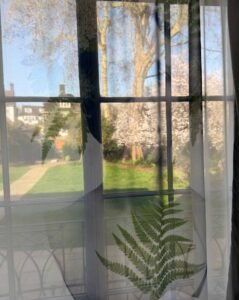
The garden view through the sheer curtains, the spring light hitting the plum tree, the magnolias blooming — it is the exact setting that fed his imagination. And knowing he was often unwell, financially stressed, and deeply in love while writing here makes the output even more remarkable.
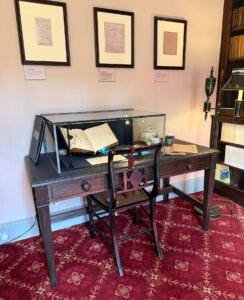
There is a lesson in that for every leader who has ever said, “I’ll do my best work when things calm down.”
The Quote That Caught Me
In a letter to his fiancée Fanny Brawne, dated July 1, 1819, Keats wrote:
“I almost wish we were butterflies and liv’d but three summer days — three such days with you I could fill with more delight than fifty common years could ever contain.”
That line isn’t just a love declaration. It is a visibility and presence philosophy in one sentence.
Intensity matters more than duration. Depth matters more than volume. Three days of full presence can outweigh fifty years of distraction.
For leaders and creatives building a personal brand, this is the whole game.
When Great Work Gets Lost — and Found Again
Here is a story that gives this visit even more resonance.
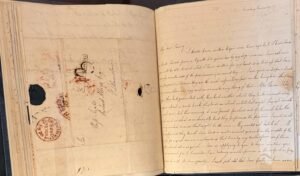
In April 2026 — this month — the Manhattan District Attorney’s Office announced the recovery of 17 rare books stolen from the Long Island estate of publisher John Hay Whitney in the 1980s. Among them: a bound collection of 37 love letters John Keats wrote to Fanny Brawne, including eight original handwritten letters from 1819 and 1820, together valued at more than $2 million.
The letters resurfaced when a man attempted to sell them to rare book dealers in Manhattan. A New York Supreme Court judge cleared their return to the Whitney family in April 2026.
These letters — personal, lyrical, stolen, and recovered — had been sitting in darkness for decades. And yet the moment they resurfaced, the world leaned in. Because great work, when it is clear and human and specific, carries meaning far beyond the moment it was created.
What does this mean for you?
The things you write, record, and preserve today — your posts, your frameworks, your client stories, your talks — are your legacy assets. They can travel further and last longer than you know. But only if you create them with the same intentionality Keats brought to every line.
Presence Is the Strategy
We have also visited Wordsworth’s home in the Lake District, Dove Cottage, and the through-line between every Romantic poet site is the same: these were people who embraced their surroundings as an extension of their creativity.
They paid attention. They showed up, even in difficult seasons. They created from where they were, not from where they wished they were.
That is Brighter Presence in practice.
Whether you are jet-lagged in London, overwhelmed by your inbox, or in a season that feels less than ideal, creative work is still within you. You just have to step into the right environment and let it happen.
Your “Keats Hour” This Month
Since April is National Poetry Month, here’s one practice you can try this week:
Block 60 minutes for a Keats Hour:
Go somewhere beautiful — a garden, a coffee shop with good light, a quiet room with a window.
Bring nothing with an agenda. No notes app, no content plan, no deliverables.
Read one poem, take one walk, or simply sit with one idea.
Then notice what surfaces and use it as the seed for your next post, talk, proposal, or brand message.
That’s how you build a presence people actually remember. Not by working harder, but by working from a place of genuine attention.
The Takeaway
Keats lived for 25 years and only 18 months in this house. Often exhausted, ill, and heartbroken, he wrote some of the most enduring poetry in the English language.
You have this month. This week. This morning.
What would you create if you brought that same intensity to just three focused days?
Drop your answer — or your favorite Keats line — in the comments. I’d love to know what’s stirring for you this National Poetry Month.
Visit John Keats House Foundation
About Barbara Rozgonyi
Barbara Rozgonyi is a keynote speaker, executive coach, and personal brand strategist who helps leaders, founders, and creatives build a Brighter Presence: online, on stage, and in every room they walk into. She writes about visibility, creativity, and showing up with intention, and she photographs the world with the same eye she brings to brand storytelling: finding the frame, the light, and the moment that makes people stop and look twice. Whether she’s in Charlotte, Chicago, or jet-lagged in Hampstead, she’s always looking for the story worth telling.
📩 Get the Brighter Presence newsletter — inspiration, strategy, and presence-building ideas
📅 Ready to build your own Brighter Presence?