Salisbury OctoberTour: Imagining Life Beyond the Front Door
Give me a house tour, and I’ll start mentally moving in.
Where would I drink my coffee? Which room gets the morning light? Could everyone fit around the dining table? Where would people gather during a party, and where could I sneak away with a book?
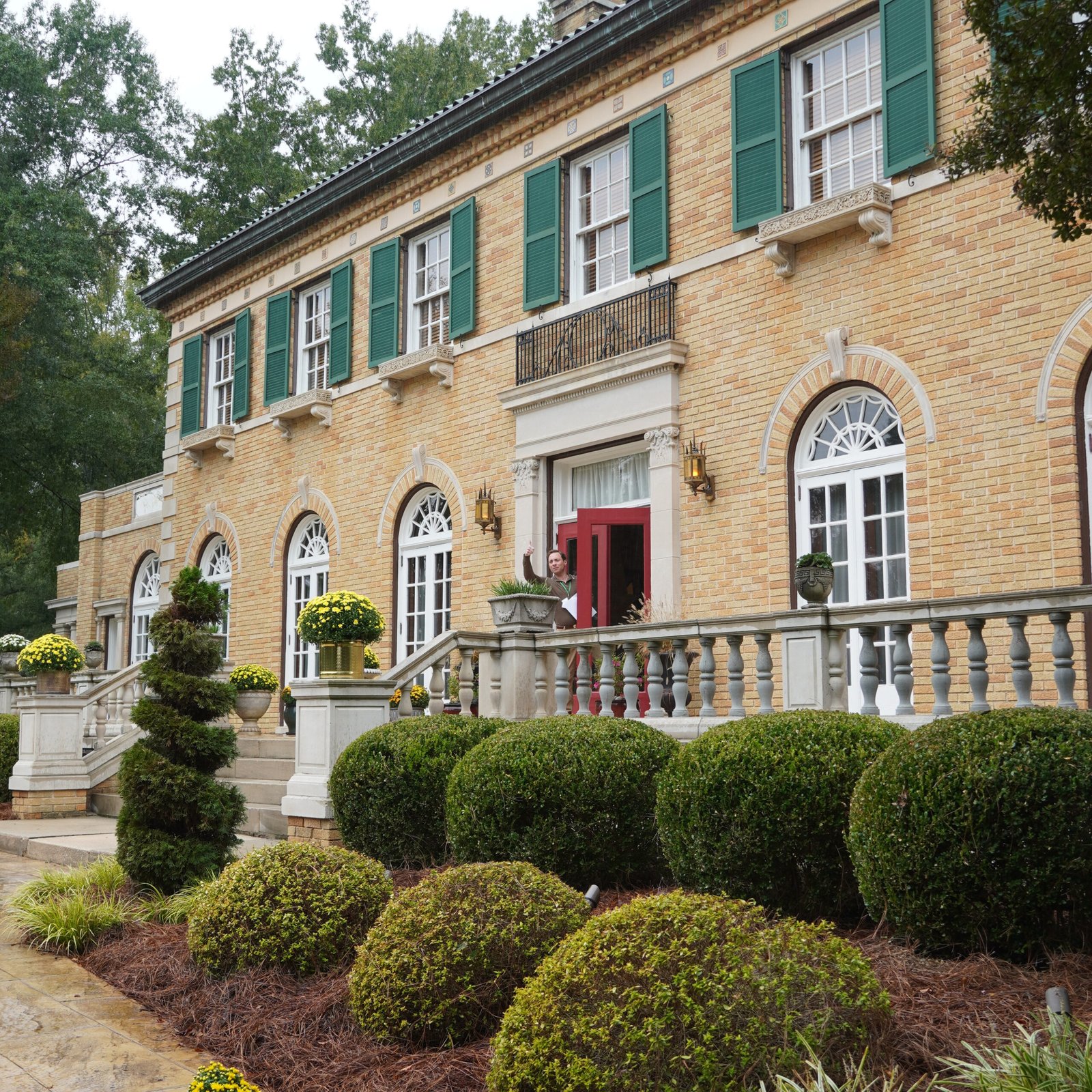
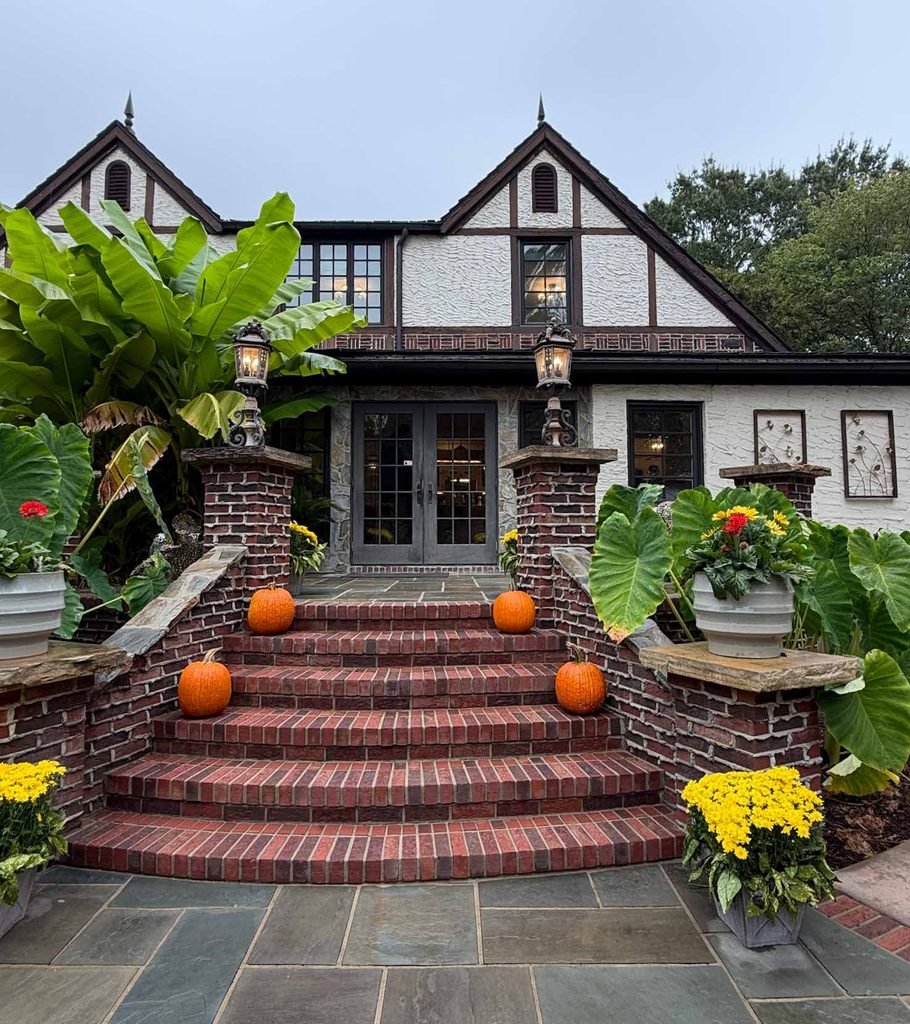
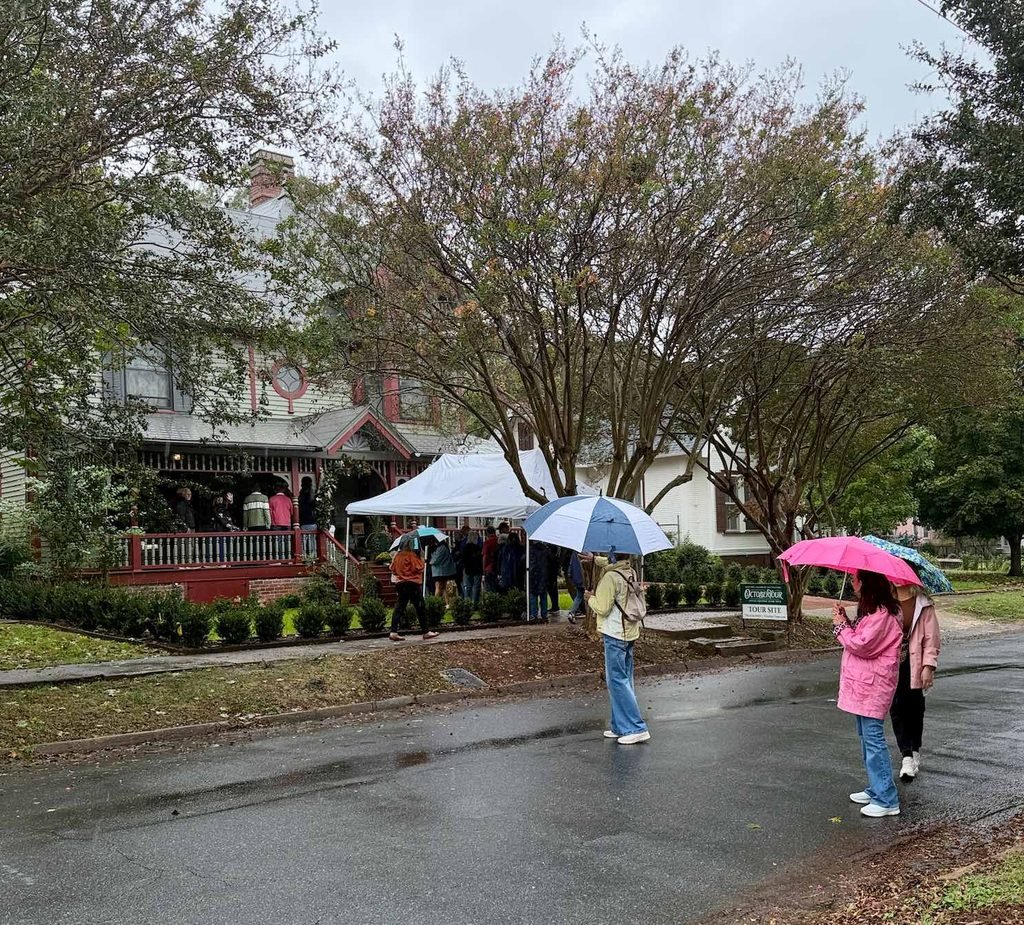
Bruce and I drove to Salisbury over the weekend for the 51st annual OctoberTour. It was a cool, rainy Saturday, which suited me just fine. We joined the first trolley group, umbrellas ready, to see eight sites with homes built between 1820 and 1938.
Inside the first home, custom zodiac tiles were set into the porch and loggia floors. I looked for Libra, a welcome discovery with my birthday coming up. The scales and lettering sat among tiles in shades of green, blue, and gold.
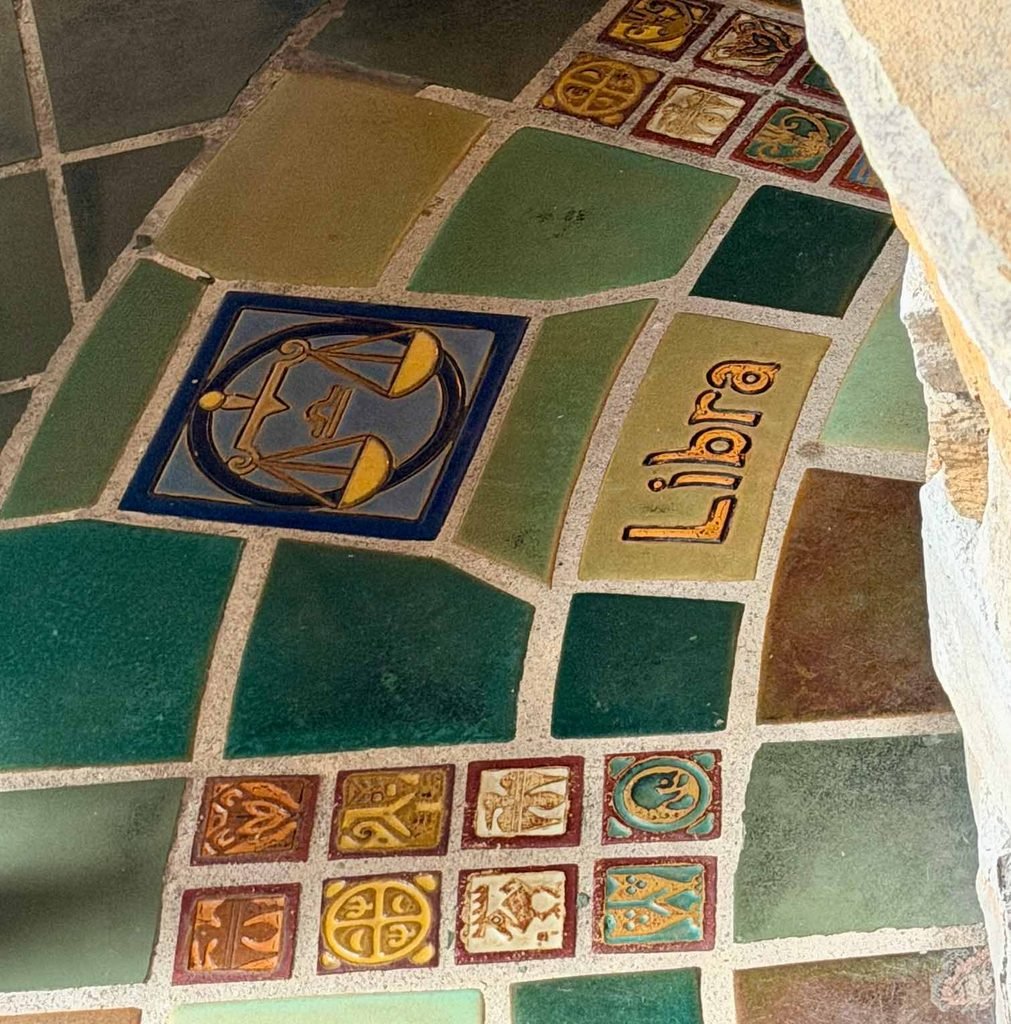
Yes, I photograph floors. Also ceilings, windows, kitchens, and any spot where I can imagine spending an entire afternoon.
How a Day Moves Through a House
A floor plan shows you the arrangement. Walking through a home lets you imagine the day.
I notice the route from the kitchen to the porch. The way light moves through a space. Chairs pulled close enough for conversation.
I picture guests arriving, someone carrying flowers to the table, music playing while dinner comes together.
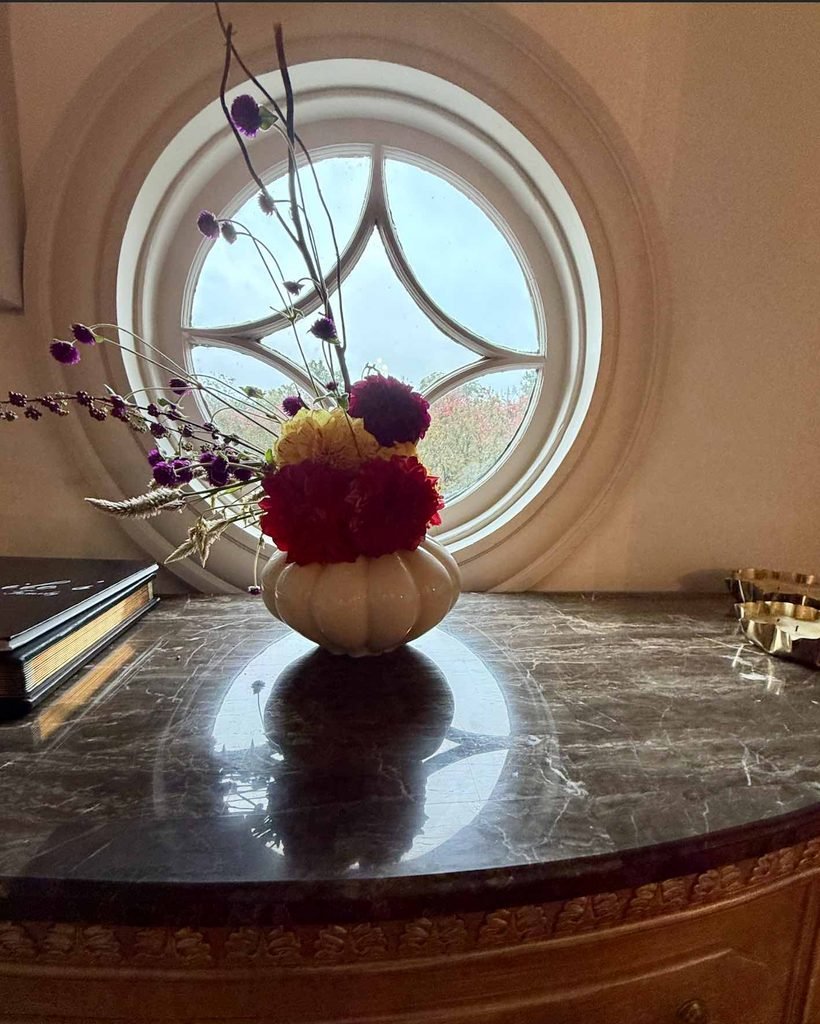
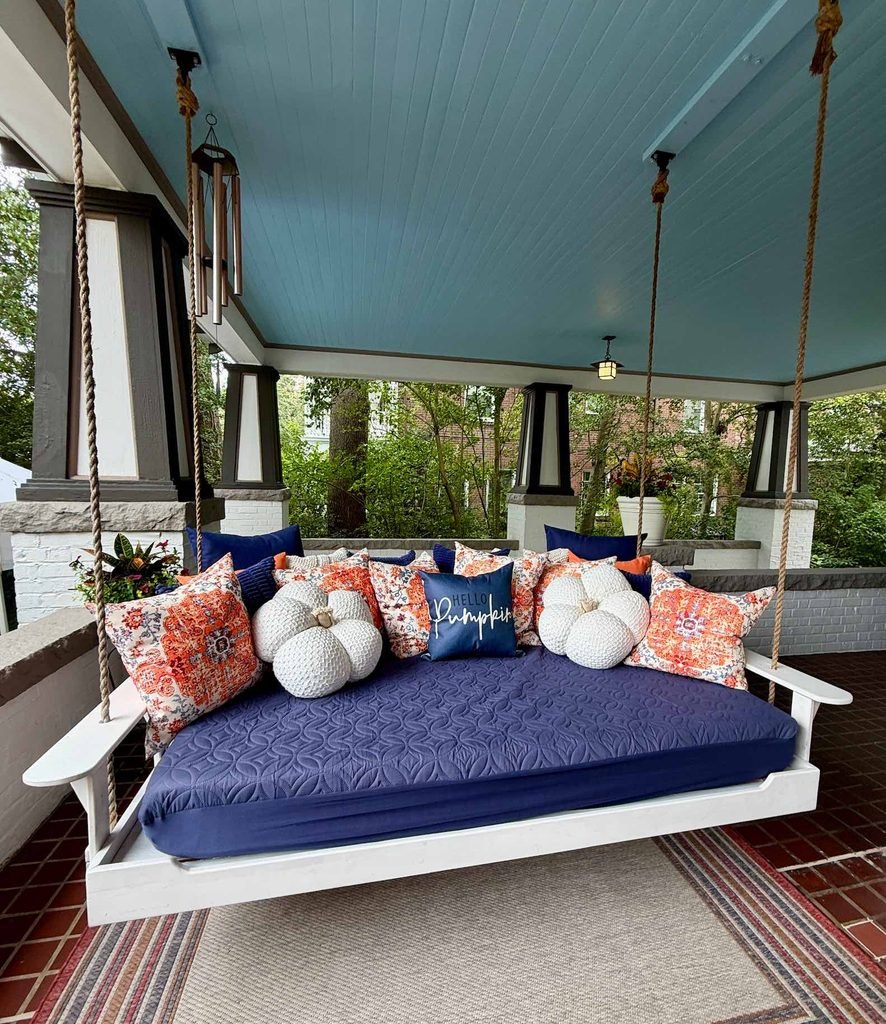
OctoberTour gave my imagination plenty to play with. Art collections revealed the owners’ interests. Porches invited you to settle in. One round window deserved a photograph all its own.
A recent kitchen renovation featured a mirrored tile backsplash. A bold choice, and one I wanted to study longer. After working with a kitchen designer client on marketing and PR for years, I pay attention to how materials, light, and layout come together in the room where so much of daily life happens.
Lots of people come to North Carolina to visit the Biltmore in Asheville. America’s largest privately owned home has 250 rooms, enough to keep my imaginary moving plans busy for quite a while. Even there, I’m drawn to the places where people read, ate, entertained, and found a little privacy, especially in the library, on the terrace, and of course, in the gardens.
When the design is good, you feel it. You want to stay a while. You can imagine what it means to be at home.
What People Reveal About a Building
One of my favorite client projects was for an architecture firm. My assignment was to interview its commercial clients about how their buildings had changed their organizations and their lives.
I spoke with nuns who described how a renovation deepened their spirituality. College clients talked about buildings that brought the student experience to life. I got to hear what happened after construction ended and people began using the spaces.
The people living or working inside a building convey its value in ways a project description never could.
I bring that curiosity to every home tour. How does this place work for the people who use it? What do they love about it? Which room do they gravitate to most?
Those interviews shaped how I approach storytelling. Clients gave us specific examples of what the design made possible. Their experiences helped other people understand the architects’ work and its value.
I look for those details when I work with leaders, too. A client’s experience, a thoughtful decision, or the story behind a project can reveal expertise that a polished introduction leaves out.
Imagining Salisbury in Another Century
Older homes give my imagination another assignment: turn back time.
What was happening when the house was built? Who came to dinner? What did the street sound like? What counted as a modern convenience?
With the railroad history of nearby Spencer, it’s easy to picture an earlier Salisbury: people arriving, businesses growing, news traveling, families building lives around town.
One home belonged to the town’s newspaper publisher. You could sense the standing he held in the community. I wondered about the conversations that took place there and the people who walked through its doors.
What Renovation Reveals
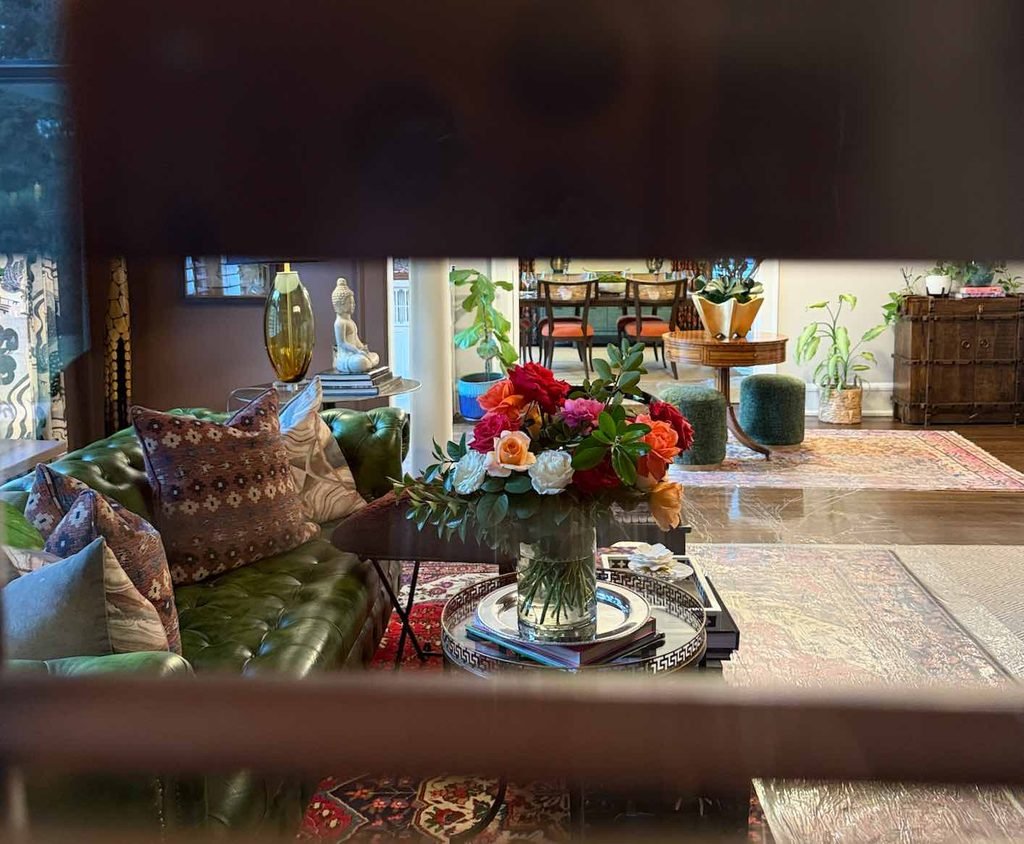
We saw two recently updated historic homes. One had been transformed over three floors in just 11 months.
Having renovated our 1909 American Foursquare in Oak Park, our 1959 Mid-Century Modern in Glen Ellyn, and our 1998 Colonial in Charlotte, I always have questions. Probably enough to hold up the tour.
Renovating an old house means deciding which parts of its character stay. A new finish can shift the mood of a space. A reworked kitchen can make the whole day easier. The details that survive take on new meaning beside everything that’s been updated, and the home becomes more livable for the people who live there now.
The Collections We Live With
Art is one of my favorite parts of a house tour. A collection gathered in one place gives you something to spend time with. You begin noticing the relationships between the pieces.
On another house tour, a bathroom filled with bird photographs was called the “bird bath.” I still remember it. A collection, a sense of humor, and a room with a name.
At home, I’d like to make more room for our own photographs. A friend’s visit made me notice that the pictures of our children on display are mostly from when they were little. Those were the professional portraits, so they were printed and framed.
Their grown-up lives are well represented on my computer: thousands of photos, very few on the walls.
I want a family gallery. A vacation gallery, too. Places we’ve loved, people we love, photographs we can enjoy without opening a folder.
Apparently, my next home project is waiting on a printer.
What We Choose to Put on View
House tours send me home looking at my own rooms differently. What have we made space for? What would we like to see more often?
I ask similar questions about what I share online. My photos offer glimpses of what I enjoy: architecture, nature, travel, and the details I’m likely to spot along the way.
How much of our lives we put on view is a personal decision. There’s room to share something meaningful while keeping plenty for ourselves.
Thank you to the homeowners, room guides, volunteers, and Historic Salisbury Foundation for inviting us in. Welcoming visitors across eight tour stops is an ambitious undertaking, especially on a rainy weekend. Looking to learn more? Visit Rowan County.
If you created a gallery at home, what would you want it to celebrate?
About the Author
Barbara Rozgonyi is a keynote speaker, strategic advisor, writer, and photographer based in Charlotte, North Carolina. Her PR and marketing clients include an architecture firm, a luxury kitchen and bath design studio, and high-end North Carolina furniture manufacturers. Her work has included luxury home trade media relations and High Point media tours. She has published wiredPRworks since 2006 and guides experienced leaders in building a Brighter Presence™ through her podcast, newsletter, speaking, and training.
Curious about what your online presence reveals about you?
Let’s talk about bringing more of your experience, personality, and expertise into view. Schedule an idea exchange.